News · 1 June 2022
The Norwegian Human Rights Fund highlights the environmental defense of ACIMVIP's Wasikamas among the experiences of defenders around the world
On World Environment Day we tell you how, from different parts of the world, social organizations have been working in defense of environmental rights, despite the obstacles they face.
In recent decades the Earth has experienced major environmental problems. According to the United Nations, the planet faces a triple emergency: the climate is warming too fast, around one million animals are in danger of extinction due to the loss of their habitats, and pollution continues to poison the air, the land and the water.
These events also represent a challenge for the human population. It is estimated that between 2030 and 2050 climate change will cause some 250,000 additional deaths.
Time is running out and nature demands decisive action to address the environmental problems facing the Earth. That is why defenders around the world have been working for more sustainable environmental management through respect for and recognition of ethnic, territorial and environmental rights.
The Norwegian Human Rights Fund (FNDH) supports more than 40 social organizations that work every day for land and environmental rights. In 2021, social organizations in Colombia and Mexico defended forest ecosystems and Indigenous land rights. In Indonesia they fought against extractive industries and illegal land grabbing. Social movements in Thailand came together for the right to defend rights amid a complicated political sphere.
These advances were achieved during one of the most dangerous years for defending the environment. During 2021, Global Witness recorded 227 murders, an average of more than four people killed per week. The report also states that this number is an underestimate, since many attacks were not reported.
In view of this scenario, the FNDH and its office in Colombia join together on World Environment Day in a call for the protection of people who risk their well-being, their safety and their lives in defense of the land and the planet. Additionally, on this date we especially commemorate those who lost their lives in this struggle.
## COLOMBIA
The Guardians of the Land
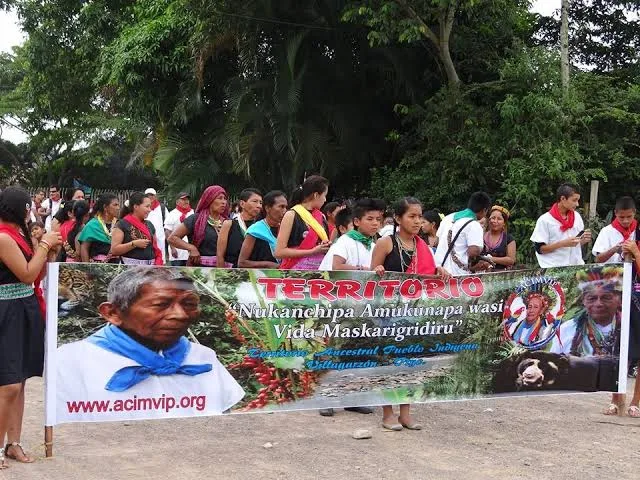
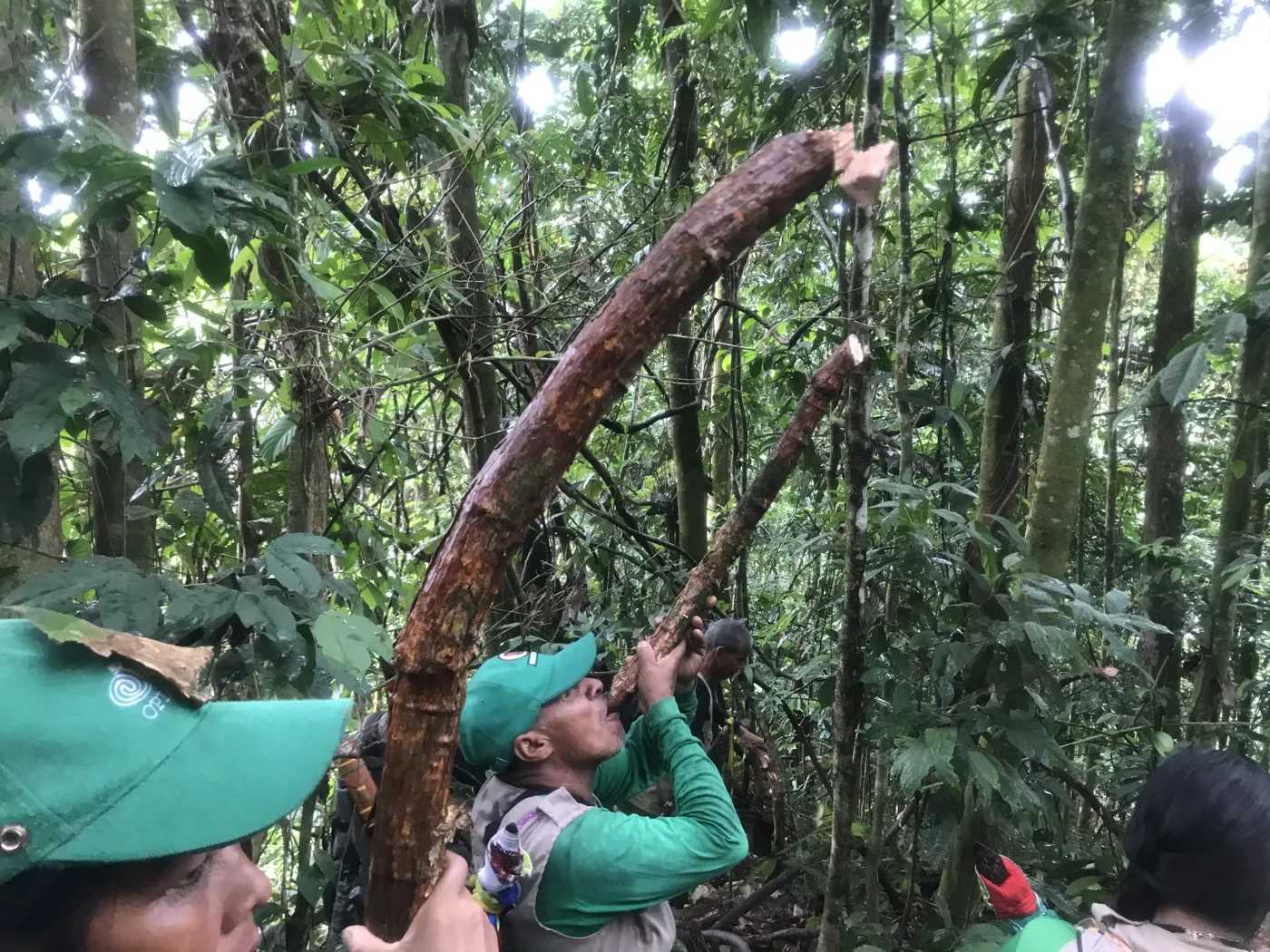
Settled in Villagarzón, Colombia, the Wasikamas or Guardians of the Land have defended their territory for years. At first because of the colonization process, and now because of problems such as indiscriminate logging, the activity of oil industries, the planting of illicit crops, among others.
Unfortunately, this work has been accompanied by disproportionate and constant attacks against Indigenous Peoples. For the second consecutive year, the Andean country ranked first worldwide as the most dangerous place to defend the environment. Mandatory lockdowns had a greater impact on their situation because the government's protection measures were reduced and Indigenous people were attacked in their homes.
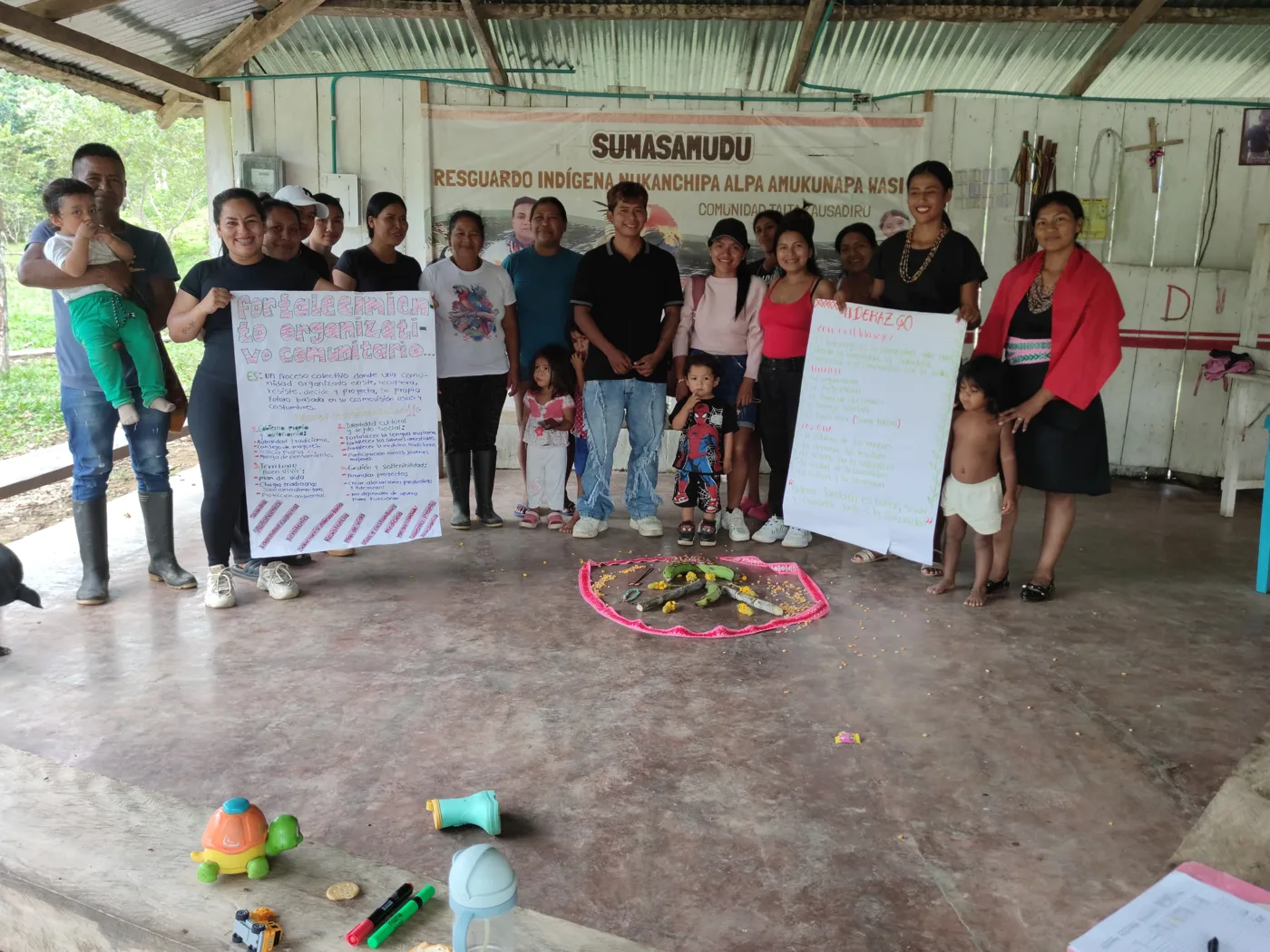
This situation led the Association of Inga Indigenous Cabildos of the Municipality of Villagarzón, Putumayo (ACIMVIP) to work on strengthening the Wasikamas, an Indigenous body that the organization considers a figure of authority in the territory and a defender of the environment.
## INDONESIA
Local communities face the deforestation of their lands
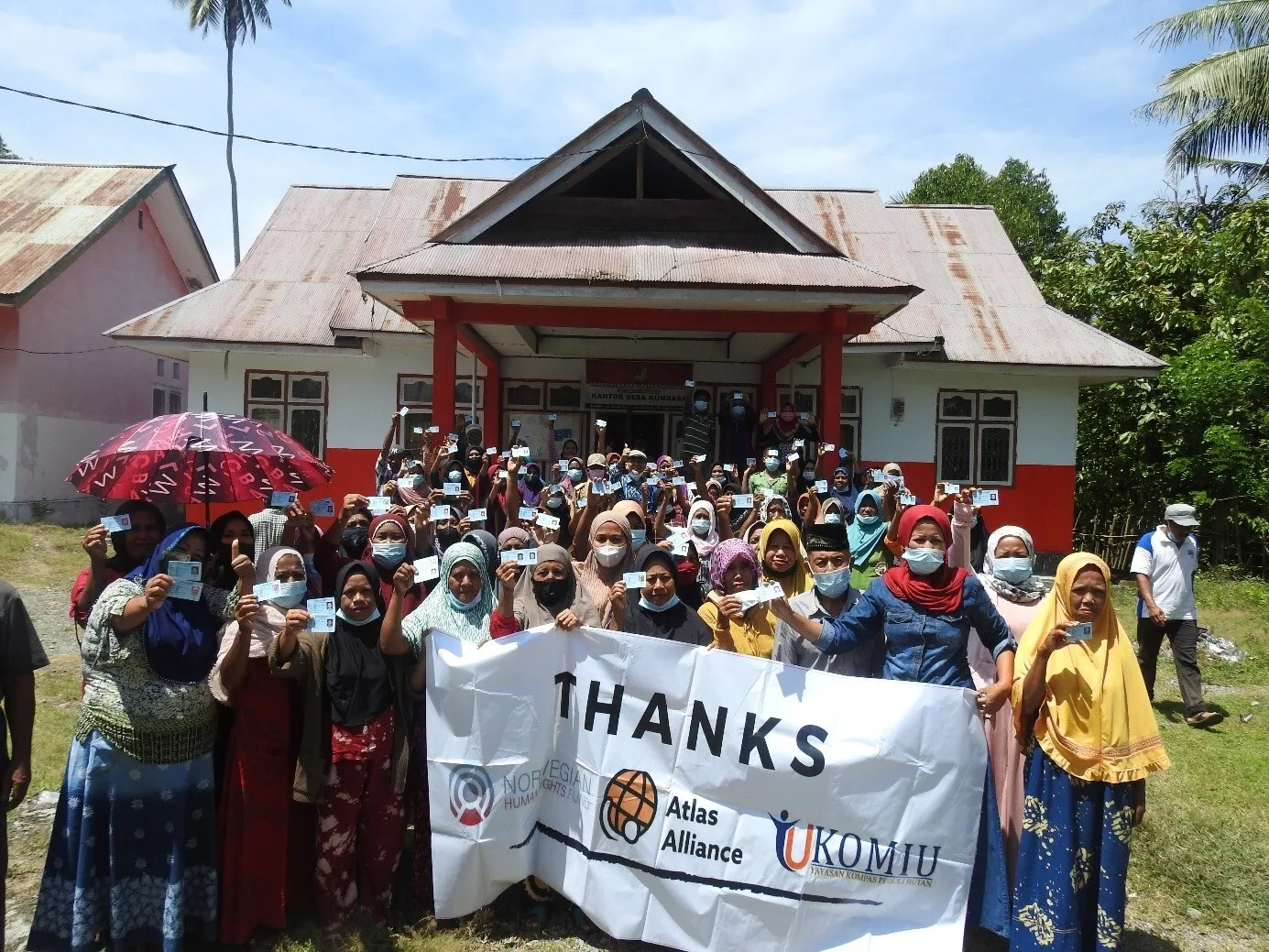
The Kaili Indigenous population faces illegal land grabbing by extractive industries, indiscriminate logging of forests and palm oil plantations that destroy the soil. According to Greenpeace, over the last 25 years Indonesia has suffered one of the highest deforestation rates on the planet, which has made the country the third largest emitter of greenhouse gases.
The partners Forest Care Youth Group (KOMIU) and the Genesis Bengkulu Foundation of Indonesia have been working to strengthen local communities so that they can claim their right to land, through digital security courses, workshops against criminalization, and legal assistance for defenders at risk.
This support has been key at a time when the island nation has enacted two new laws that are expected to be detrimental to human rights and environmental protection. Muhammad Azka Fahriza is a researcher at the Institute for Policy Research and Advocacy (ELSAM) and says that "the greatest challenge for defenders, especially those on the front line, comes from the obstacles the State puts in their way".
## MEXICO
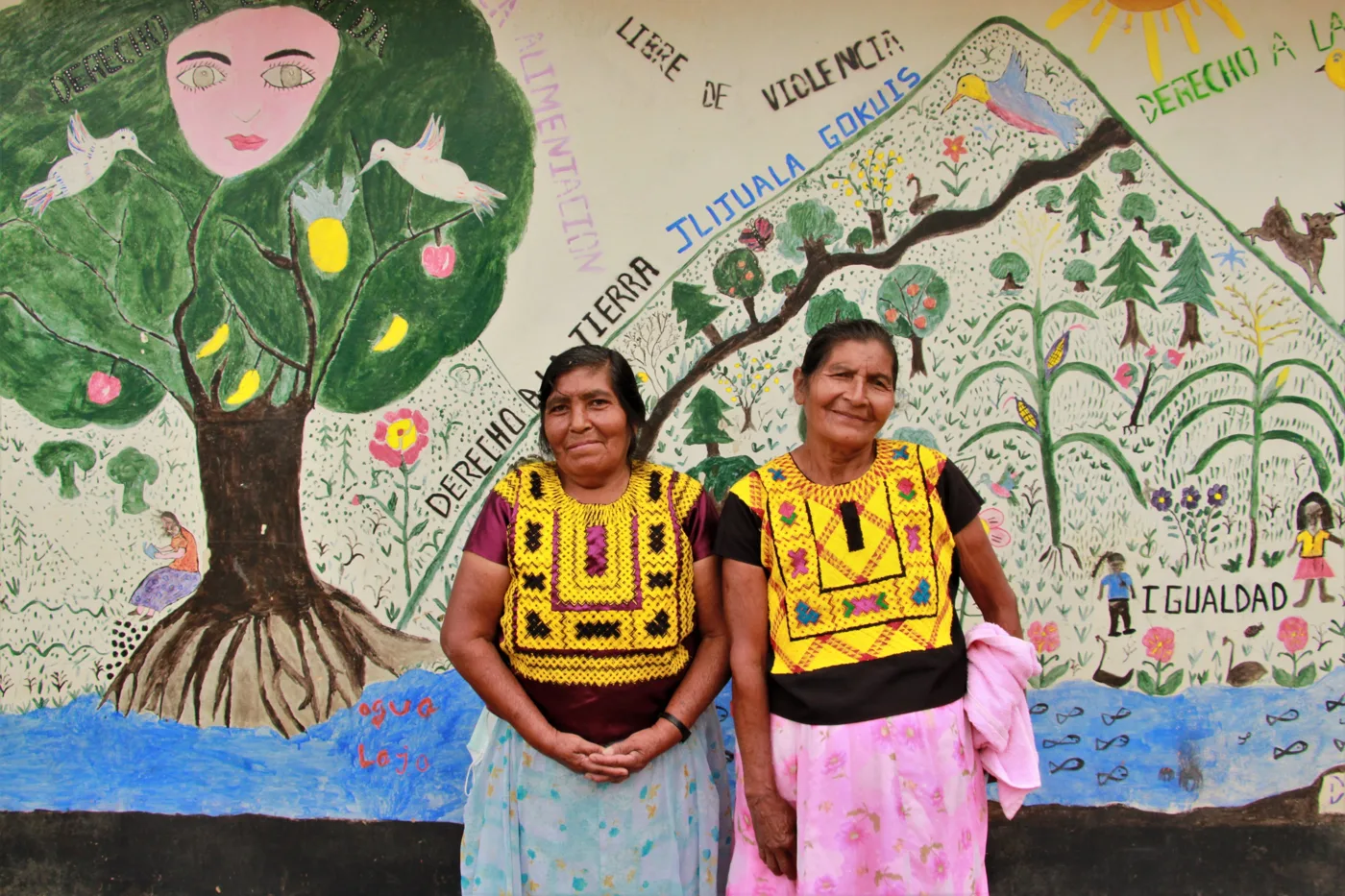
Promoting the participation of Indigenous women environmental defenders
Although Mexico became the eleventh country to ratify the historic Escazú Agreement to protect environmental defenders in Latin America and the Caribbean, 30 activists lost their lives during 2020. Of this number, half of the homicides were directed against Indigenous communities that defend and protect their territories.
Alarms have also been raised over the violence faced by Indigenous women environmental defenders. Sara Méndez, coordinator of the organization CódigoDH, denounced that “social media and the press have been used to attack them and to spread false information about them”.
The social organization Tequio Jurídico works for the defense of the rights of the Indigenous Peoples of Oaxaca, Mexico, supporting the participation of Indigenous women leaders on environmental matters, as well as promoting sustained legal action against extractive projects.
## THAILAND
Social movements for human and environmental rights
The physical, public and legal space for human rights and environmental defenders has been evaporating in Thailand due to the country's various laws. Between 2020 and 2021, at least 1,341 people, 182 of them minors, were charged with criminal offenses such as participating in protests.
Many of these activists have risked their well-being, their safety and their lives to expose the environmental problems facing the Asian country: air pollution, declining wildlife, deforestation, soil erosion, water scarcity and waste problems.
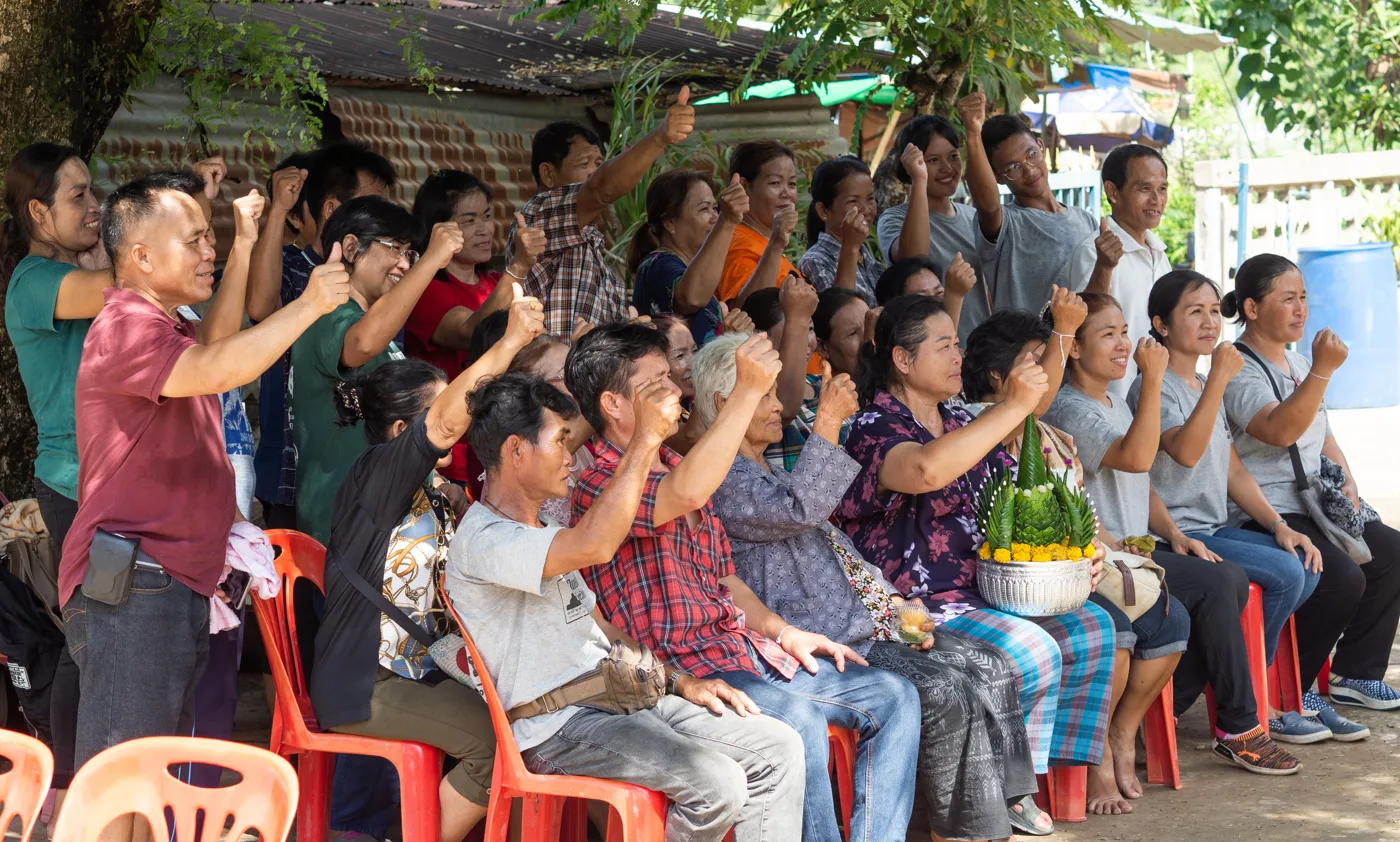
Despite this situation, social movements such as Thai Poor Act and the Public Policy Campaign on Mineral Resources are working to defend land and the environment and, in turn, support other movements of this kind. This has enabled more than 1,650 local women human rights defenders, grassroots activists, defenders of Indigenous rights and the environment, as well as members of more than 100 rural communities, to receive accompaniment in their struggles and training in security and protection.

Originally published by Fondo Noruego para los Derechos Humanos (FNDH) on June 5, 2022